
Medical Imaging
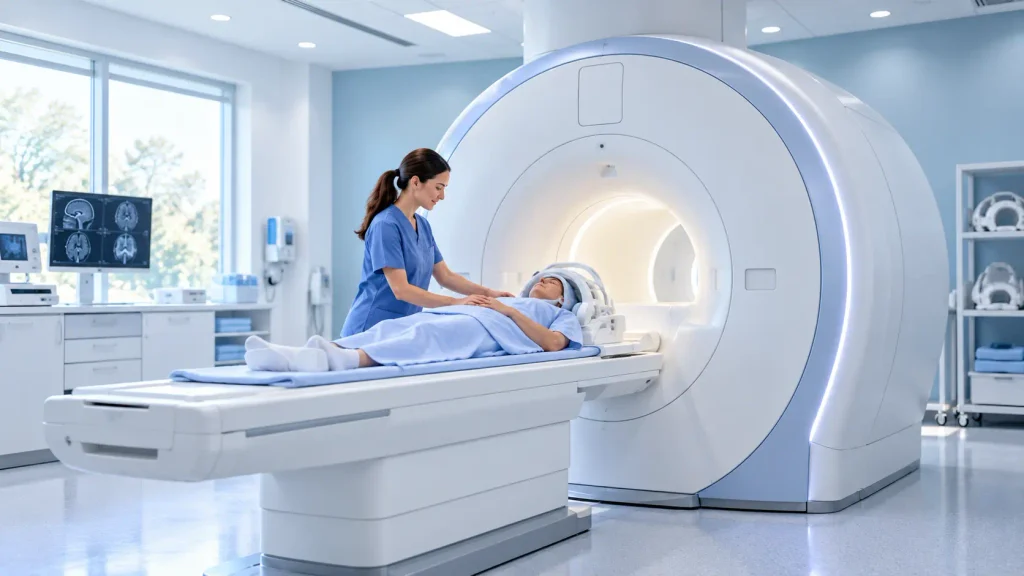
CT Scan
Combines X-ray images and computer processing to produce detailed cross-sectional views of the body for medical diagnosis and evaluation.
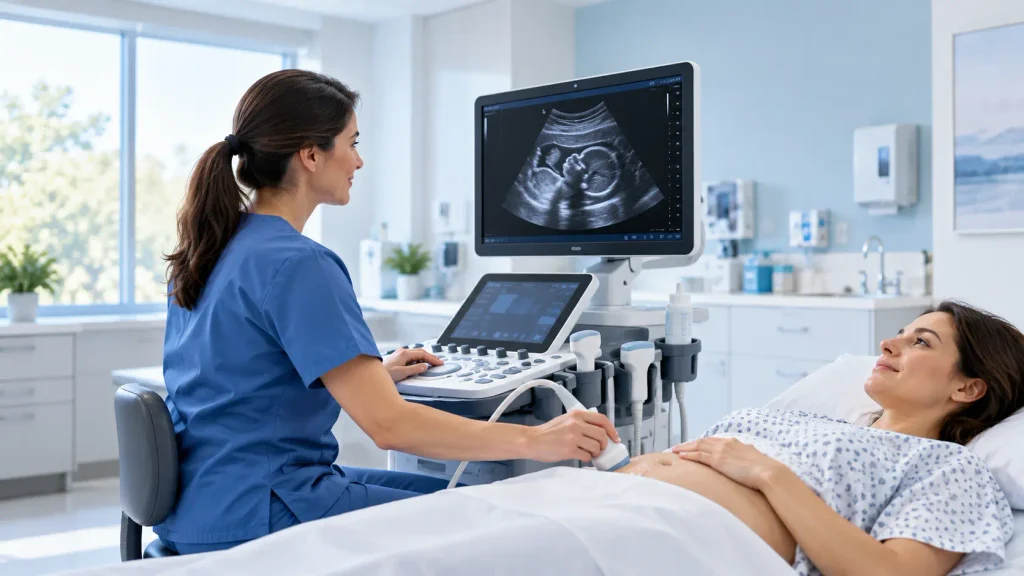
Ultrasound
Uses high-frequency sound waves to create real-time images of internal organs, tissues, and developing babies without ionizing radiation.
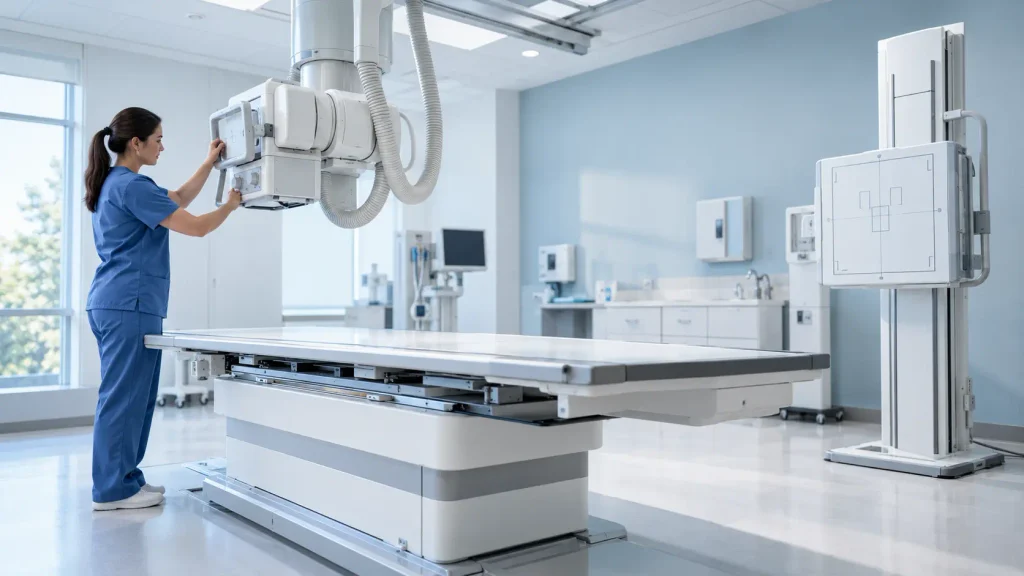
X-Ray
Uses X-ray technology to capture images of bones, the chest, and other internal structures to help doctors assess injuries and medical conditions.
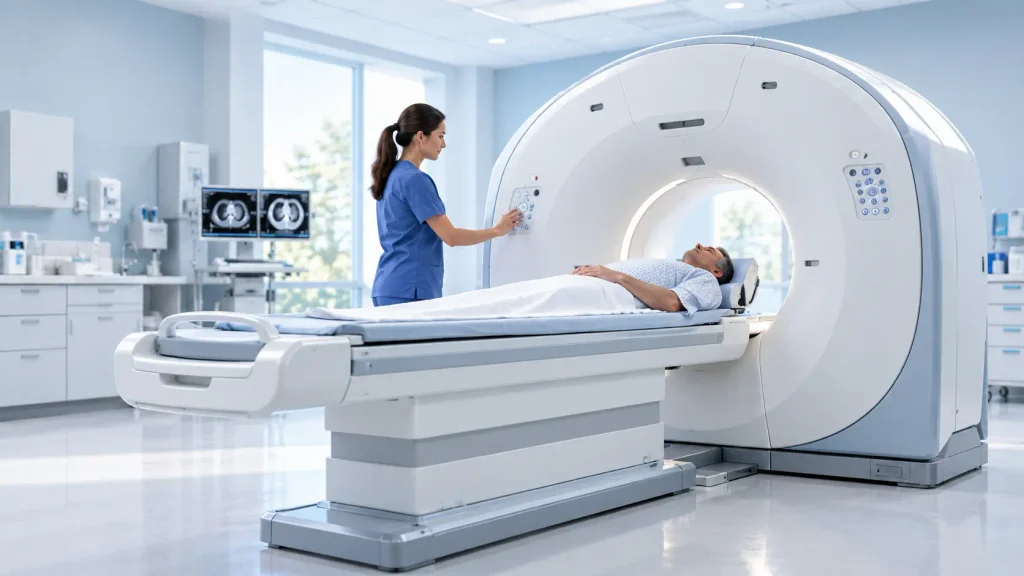
MRI
Uses powerful magnetic fields and radio waves to produce detailed images of organs, soft tissues, the brain, and other body structures.
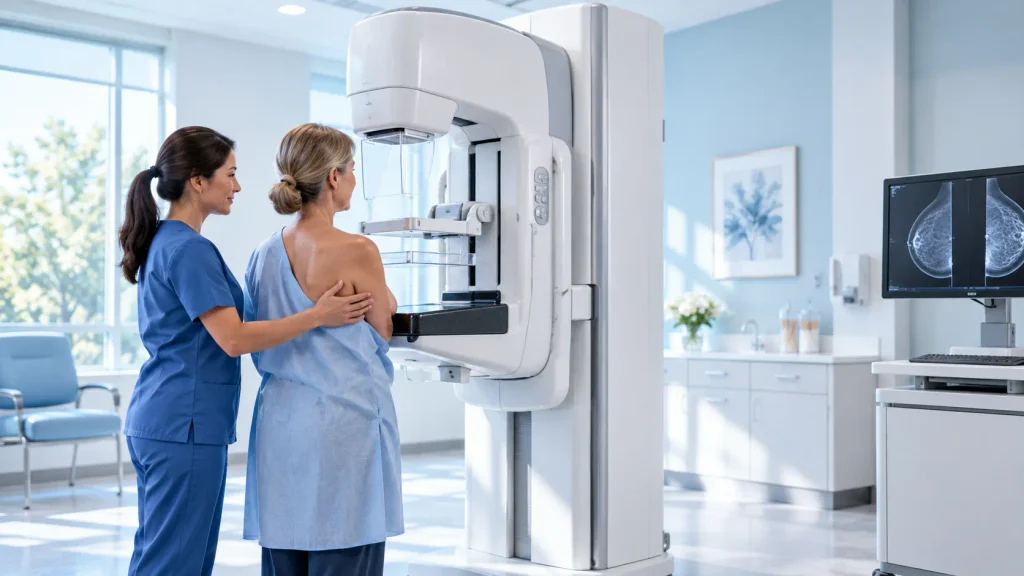
Mammography
A specialized breast imaging examination that helps detect and evaluate breast abnormalities, including early signs of breast cancer.
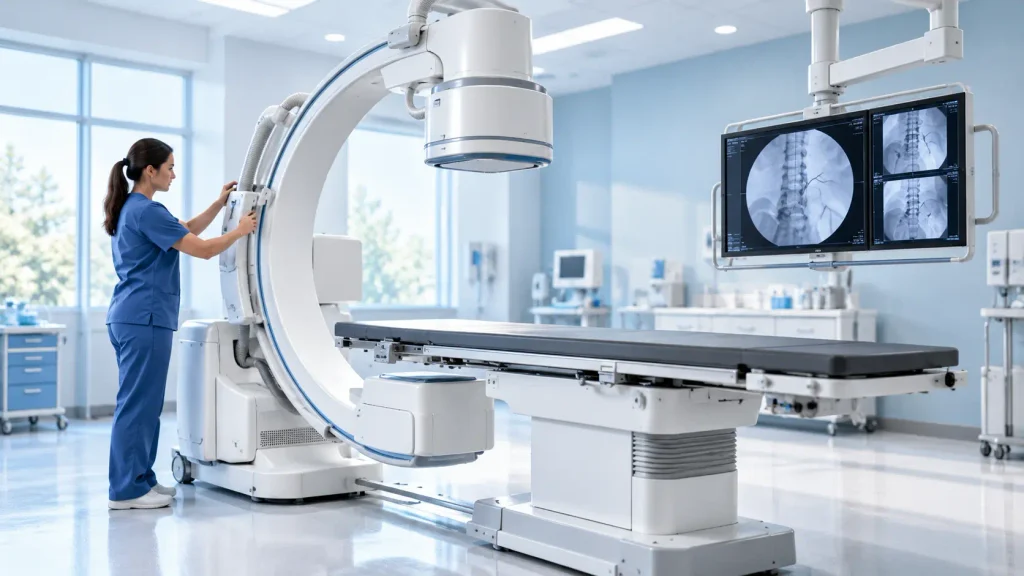
Fluoroscopy
Provides real-time moving X-ray images to help doctors observe internal structures and guide certain diagnostic and medical procedures.
Laboratory Services
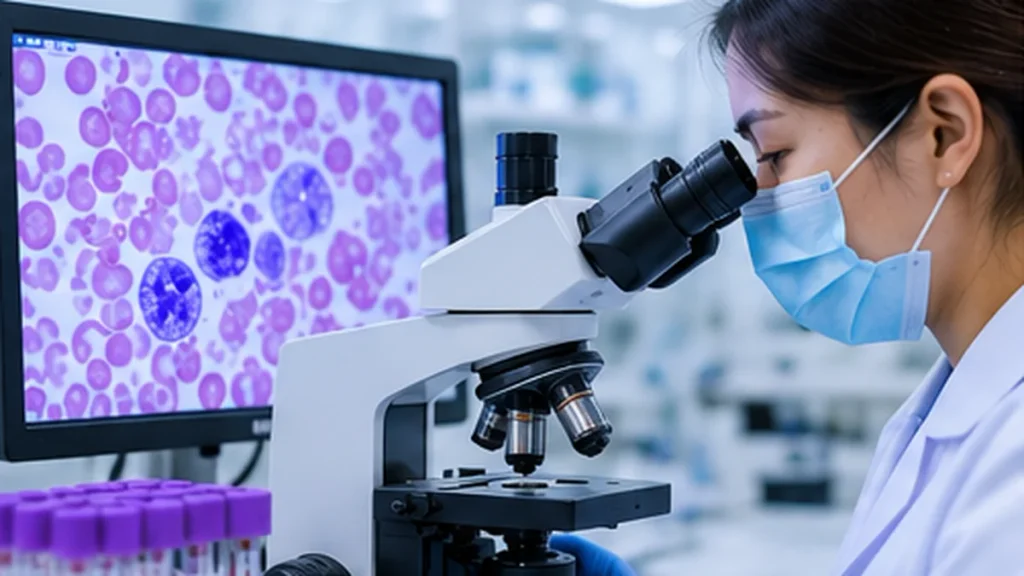
Hematology
Examines blood cells and related components to help identify anemia, infections, blood disorders, and other medical conditions.
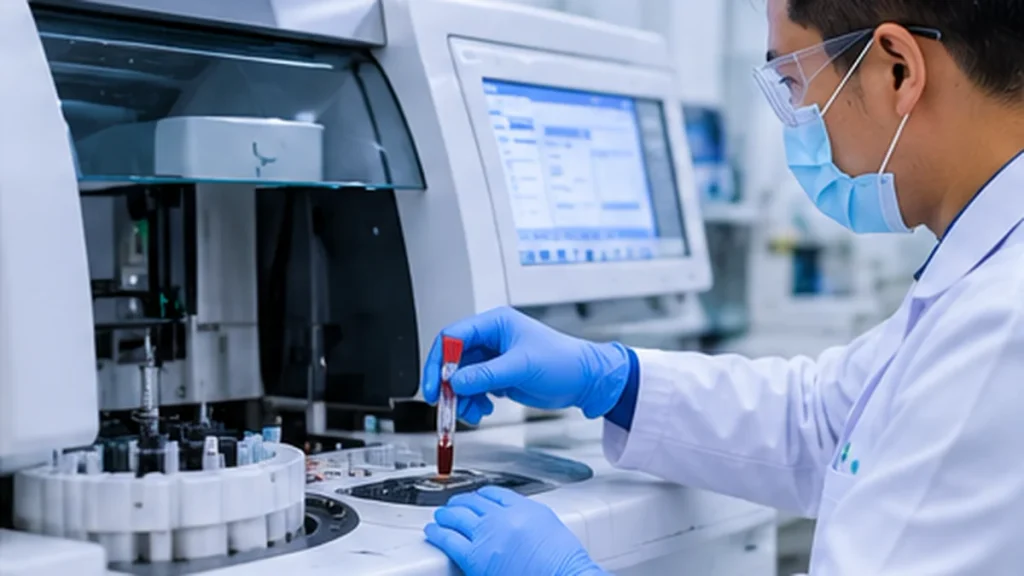
Clinical Chemistry
Analyzes substances in blood and other body fluids to help assess organ function, metabolic conditions, and overall health.
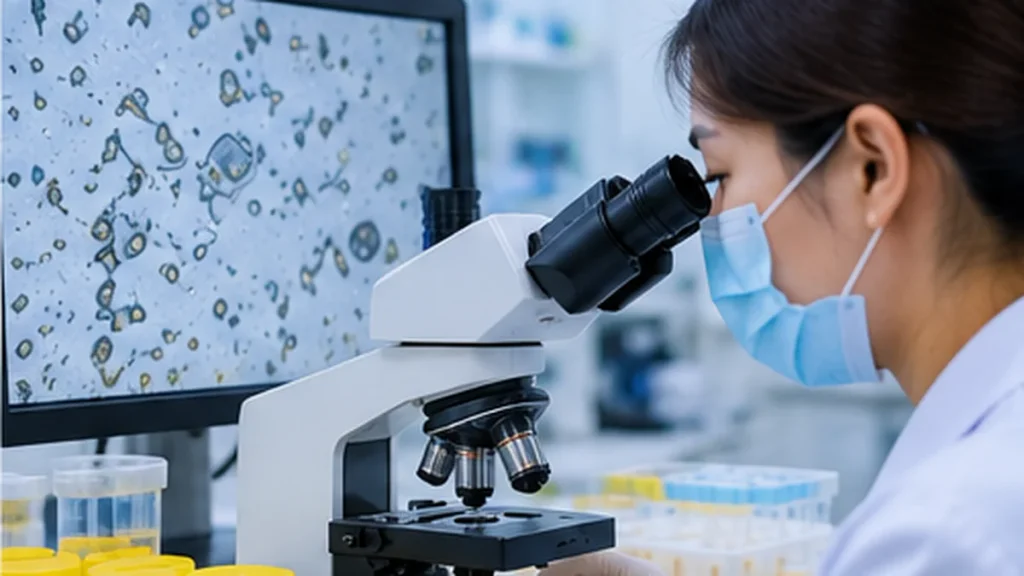
Clinical Microscopy
Examines urine and other body fluid specimens under a microscope to help detect abnormalities and support medical diagnosis.
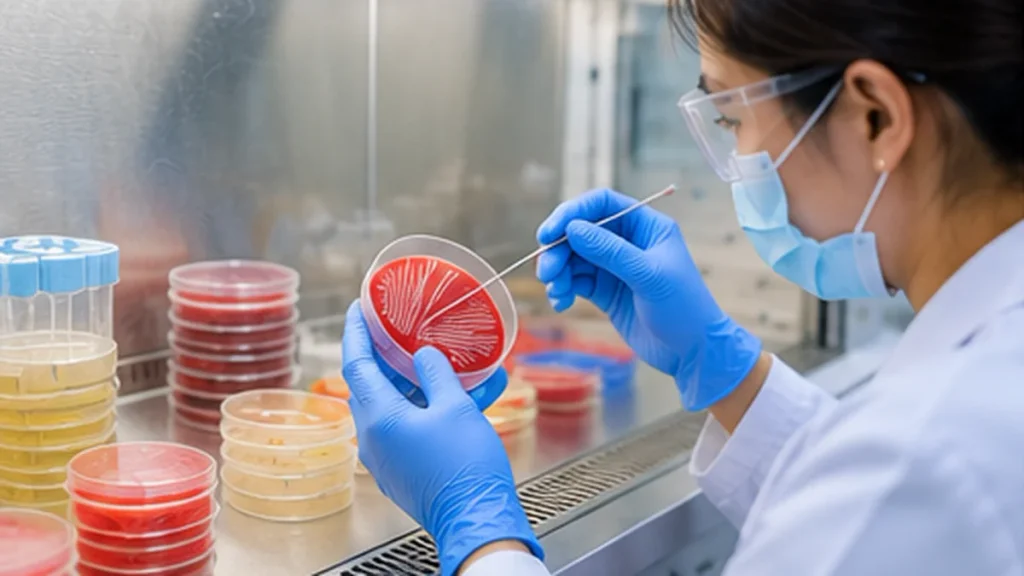
Microbiology
Identifies microorganisms, including bacteria and fungi, to help diagnose infections and guide appropriate medical treatment.
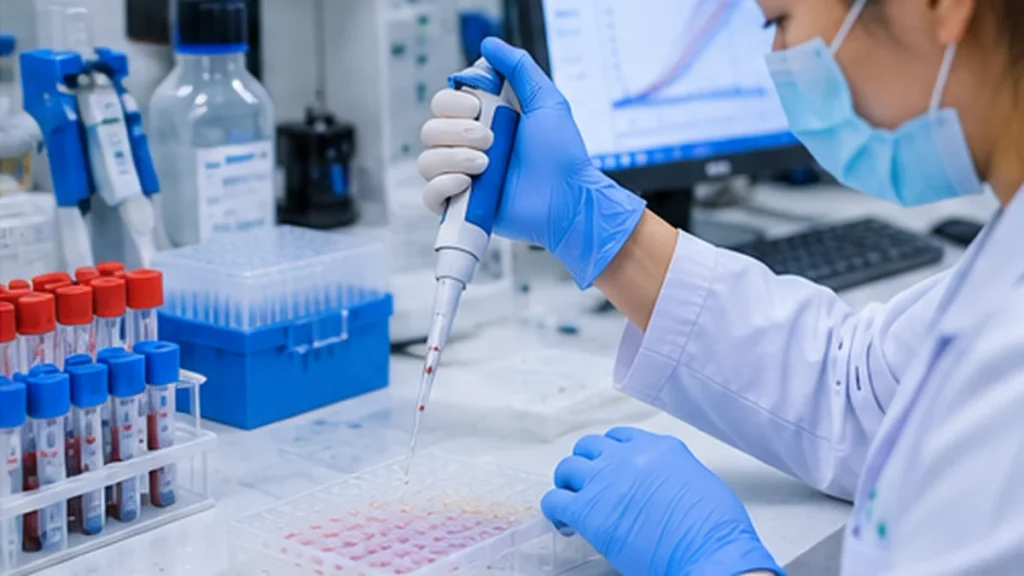
Serology & Immunology
Laboratory technologist using a micropipette to prepare samples for serological and immunological testing.
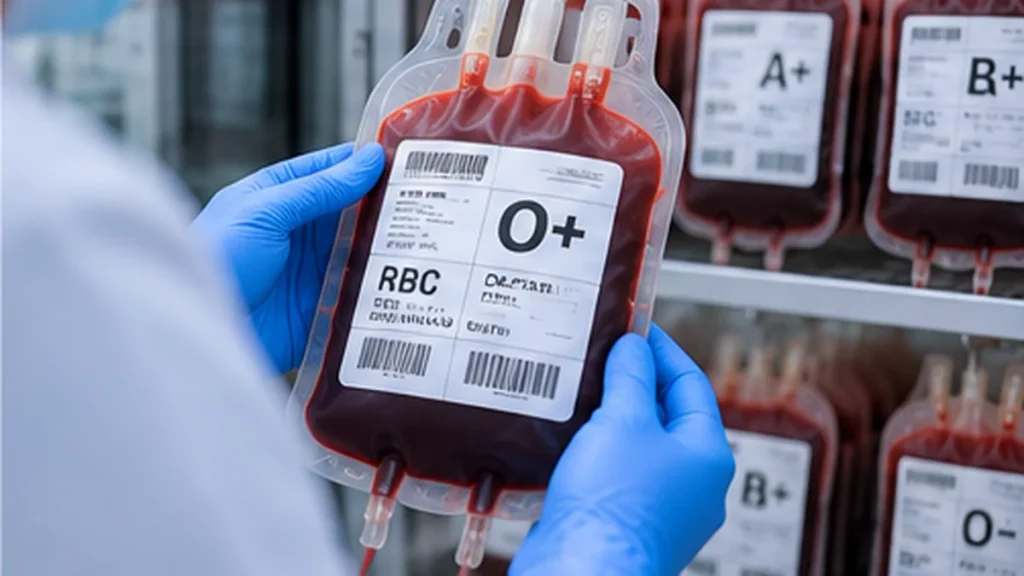
Blood Banking
Supports safe blood transfusions through blood typing, compatibility testing, and proper handling and storage of blood products.